How The Future of Automated Team Coordination Is Evolving in the AI Era
March 02, 2026
AI driven team coordination uses intelligent agents to manage workflows, align teams, and automate decision making across departments. By integrating HRM, CRM, and learning systems, businesses can create connected environments where operations run smoothly, communication is seamless, and coordination happens in real time.
Team coordination is no longer limited to emails, meetings, and manual task tracking. As organizations scale and workflows become more complex, traditional coordination methods struggle to keep up.
In the AI era, coordination is shifting toward intelligent automation, where systems actively manage communication, tasks, and decisions. With the support of an advanced ai agents company, businesses are now building ecosystems where AI agents coordinate teams in real time.
This evolution is not about replacing teams, but about creating a connected environment where work flows seamlessly without delays or misalignment.
Earlier, workflows were predefined and rigid. Teams had to follow fixed processes, and any change required manual adjustments. This created bottlenecks, especially in fast moving environments.
AI driven coordination introduces dynamic workflows. Instead of static processes, AI agents continuously analyze data and adjust workflows automatically.
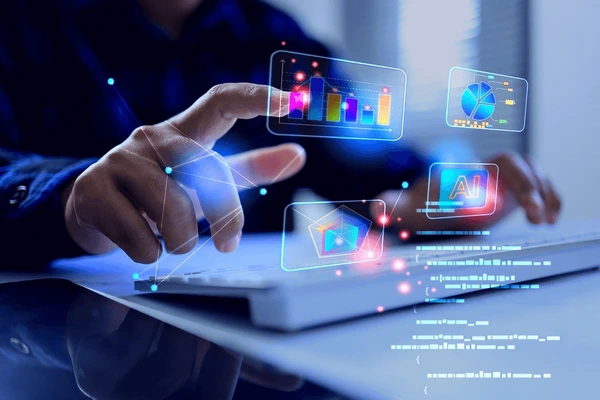
Modern organizations are moving toward multi agent ecosystems where different AI agents handle specific functions and collaborate with each other.
An HR focused system, a customer management system, and a learning system no longer operate in isolation. Instead, they exchange data and coordinate actions automatically.
Workforce management is evolving from administrative tracking to intelligent coordination. An HRM AI Agent plays a central role in aligning employee activities with organizational priorities.
Instead of just managing attendance or records, it interacts with other systems to ensure that team members are assigned tasks based on availability, workload, and skill relevance.
In advanced ai hrm environments, coordination becomes continuous rather than periodic. The system adapts in real time, ensuring that teams remain aligned without constant supervision.
Customer interactions often involve multiple teams, including sales, support, and operations. Coordination gaps between these teams can impact customer experience.
A CRM AI Agent bridges this gap by maintaining a unified flow of information. It tracks interactions, updates systems in real time, and ensures that all teams are working with the same context.
With intelligent ai crm software, coordination becomes context aware. Instead of reacting to customer needs, systems anticipate and guide team actions based on data.
In fast changing industries, learning and development must align closely with operational needs. Traditional training systems often operate separately from daily workflows.
An LMS AI Agent integrates learning directly into the coordination system. It identifies skill gaps, assigns relevant training, and tracks progress in real time. With the support of an ai powered lms, organizations can ensure that learning is continuously aligned with evolving business requirements.
This creates an environment where learning is not separate from work but becomes part of the coordination process itself.
One of the most significant changes in AI driven coordination is the shift toward real time decision making. AI systems analyze ongoing activities and trigger actions without waiting for manual approvals.
Coordination evolves into a continuous flow where:
This reduces delays and allows organizations to respond faster to changing conditions.
AI coordination systems are not standalone tools. They integrate with existing platforms such as project management tools, communication systems, and enterprise software.
This integration ensures that:
The future of team coordination is moving toward deeper automation and intelligence. AI agents will become more context aware, collaborative, and predictive.
Organizations will increasingly rely on systems that:
The future of automated team coordination is being shaped by intelligent systems that go beyond task management. AI agents are creating connected environments where workflows adapt, decisions happen in real time, and teams remain aligned without constant manual effort.
From workforce synchronization to customer interaction and continuous learning, coordination is becoming smarter and more integrated across all functions.
To explore how AI driven coordination can be implemented within your organization, contact with Kivo.ai and discover how intelligent systems can transform the way your teams collaborate and operate in the AI era.Contact Our AI Agents for Support & Inquiries
It is the use of AI systems to manage tasks, workflows, and communication automatically across teams.
AI agents are intelligent systems that perform specific tasks and collaborate with other systems to manage workflows.
It enables real time updates, automated workflows, and better alignment across departments.
It manages customer data and ensures coordination between sales and support teams.
Yes, AI systems are designed to adapt and scale based on organizational needs.
.svg)