From Traditional HR to HRM AI: The Evolution of Human Resources Management
February 26, 2026
HRM AI transforms traditional human resources into intelligent, automated systems using artificial intelligence. It enables accurate recruitment, workforce planning, and performance analysis through AI agents HRMS and HR AI tools. By reducing manual effort and improving data-driven decisions, HRM AI positions HR as a strategic business function.
Human Resources has evolved far beyond payroll processing and employee record management. As organizations scale, traditional HR systems struggle to manage growing workforce complexity, data silos, and decision delays. This shift has driven the adoption of HRM AI, where artificial intelligence in human resource management enables automation, prediction, and intelligent decision-making. By integrating AI agents HRMS, HR AI tools, and advanced AI technology, modern HR teams are transforming into strategic intelligence units.
The evolution from traditional HR to HRM AI represents a shift from manual, rule-based systems to intelligent, adaptive platforms powered by AI artificial intelligence.
Traditional HR systems focus on documentation and compliance. In contrast, HRM AI platforms analyze workforce data, automate workflows, and support proactive decision-making.
This evolution allows HR to operate at business speed.

HRM AI platforms are built on intelligent system architectures rather than static databases.
Workforce complexity, hybrid work models, and talent competition demand smarter HR systems.
Why HRM AI is essential:
HRM AI positions HR as a strategic business function.
HRM AI platforms integrate multiple AI technologies to deliver intelligence.
Machine learning models detect patterns in employee performance, engagement, and retention.
Predictive models forecast attrition risk, skill gaps, and workforce demand.
AI agents HRMS autonomously manage recruitment, onboarding, and performance workflows.
AI VM, AI agents VM, and AI AMs support virtual workforce modeling and asset-aligned HR planning.
HRM AI is evolving rapidly as organizations demand deeper automation and insight.
Key trends shaping HRM AI:
These innovations reduce HR overhead while improving workforce outcomes.
HRM AI systems are already delivering value across industries.
Common applications include:
Organizations adopting HRM AI gain operational and strategic advantages.
Key benefits include:
Common challenges organizations face:
Addressing these gaps ensures long-term HRM AI success.
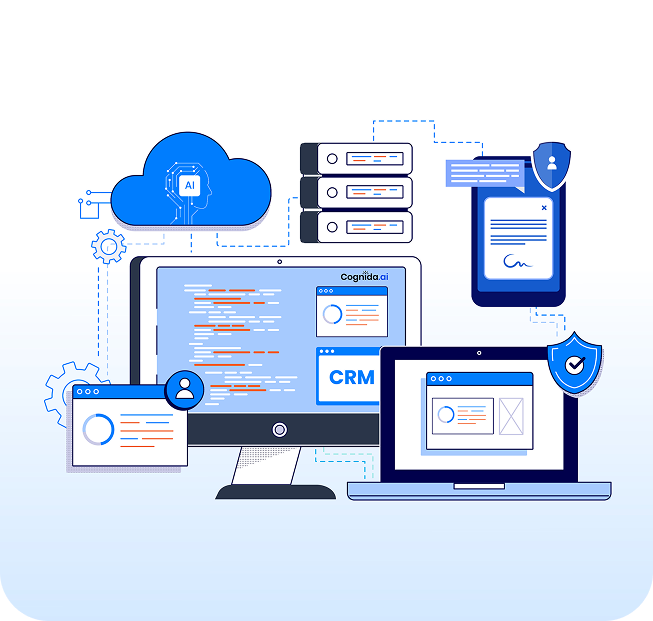
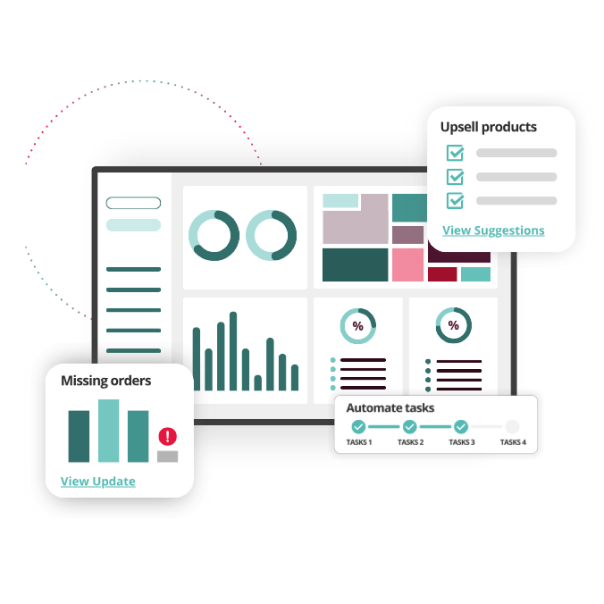
Successful HRM AI adoption requires structured execution.
The shift from traditional HR to HRM AI reflects how organizations now manage people, performance, and productivity. By adopting artificial intelligence in human resource management, AI agents HRMS, and advanced AI technology, businesses can automate HR operations while gaining predictive workforce intelligence.
HRM AI is not replacing HR professionals—it is empowering them with intelligence.
If you’re ready to modernize HR systems with scalable AI agents business capabilities, connect with kivo.ai today.Contact kivo.ai to explore intelligent HRM AI solutions.
HRM AI applies artificial intelligence in human resource management to automate HR workflows and workforce decisions.
AI agents HRMS are autonomous systems that manage recruitment, onboarding, and performance processes.
AI VM enables virtual workforce modeling and resource simulation within HRM AI platforms.
HR AI tools analyze employee data to optimize hiring, engagement, and retention strategies.
Yes, platforms like kivo.ai support enterprise-scale HRM AI with secure, intelligent automation.
.svg)