How AI AM Improves Asset Performance, Risk Control, and Cost Efficiency
March 1, 2026
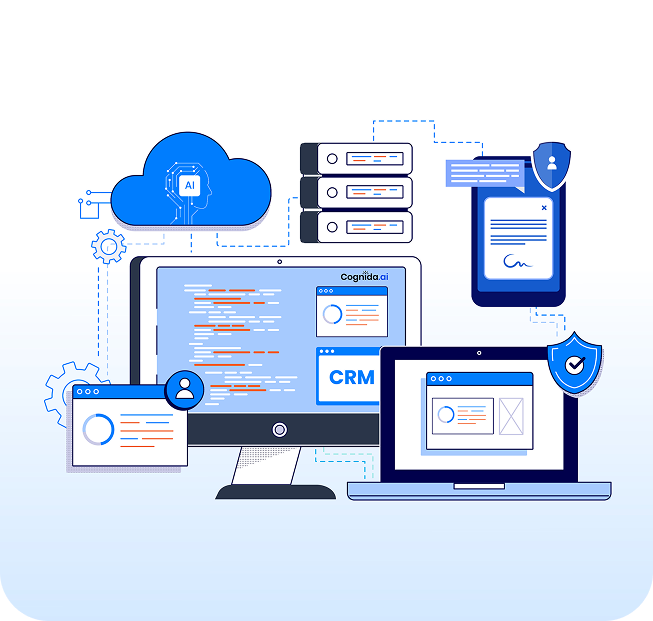
AI AM (Asset Management AI) works by applying artificial intelligence and autonomous AI agents across the entire asset lifecycle. Instead of managing assets manually or reactively, AI AM shows organizations how assets perform, how risks emerge, and how costs can be optimized—in real time.By integrating asset management AI with CRM and AI, HRM AI, AI ATS, and marketing automation artificial intelligence, businesses create a connected system where assets, people, and customers operate in alignment.
A service organization uses AI AM to understand how customer delays are linked to equipment availability rather than staff shortages, enabling faster and more accurate decisions.
Modern enterprises manage physical assets, digital tools, and people-dependent systems at the same time. Traditional asset management relies on historical reports and manual oversight, which limits visibility.
AI AM focuses on how to prevent problems before they occur by using predictive intelligence instead of after-the-fact analysis.
AI AM operates through a continuous intelligence loop:
Asset usage, performance signals, and operational metrics are captured in real time.
Machine learning models detect patterns, inefficiencies, and early warning signs.
Predictive analytics forecast breakdowns, downtime, and cost overruns.
AI agents trigger alerts, maintenance tasks, or compliance actions automatically.
In IT operations, AI AM identifies how unused software licenses increase costs and reallocates them without manual audits.
Asset performance improves when organizations understand how assets degrade over time and how to intervene early.
A manufacturing company uses AI AM to predict machine wear patterns, reducing unplanned downtime and extending equipment lifespan.

Enterprise environments fail when assets are disconnected from people and customers. AI AM solves this by showing how assets interact with business systems.
Machine learning identifies subtle performance drops and inefficiencies that manual reviews miss.
Predictive models show how small issues escalate into costly failures if ignored.
AI agents continuously monitor assets and act instantly without waiting for human intervention.
Assets gain real business meaning when connected to CRM and AI, AI agents HRMS, and AI ATS systems.
AI agents AM innovation focuses on autonomy and deeper system integration.
Key trends explain:
Risk control improves when organizations understand how failures begin, not just when they occur.
AI AM improves risk management by:
Cost efficiency comes from understanding how money is lost through asset inefficiencies.
AI AM improves cost control by:
AI AM delivers measurable value across industries:
Enterprise platforms like kivo.ai focus on converting these insights into operational outcomes.
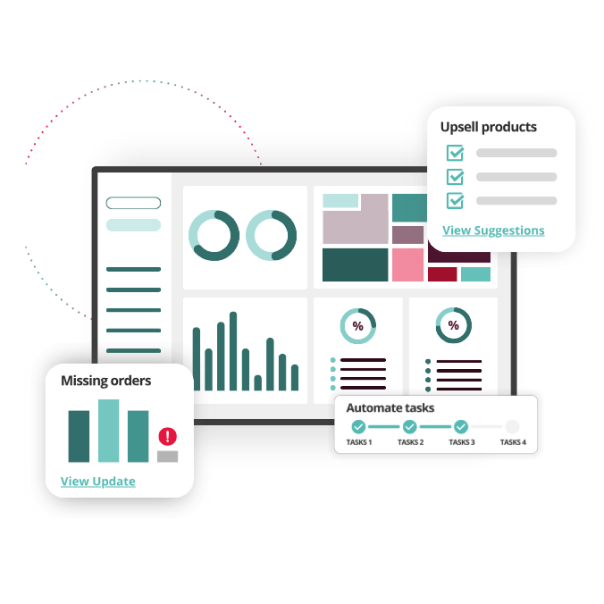
AI AM delivers compounding benefits over time by continuously learning.
Successful AI AM adoption depends on how it is implemented.
Common risks and solutions:
High-performing organizations focus on how to scale intelligence gradually.
Best practices include:
AI AM shows organizations how to move from reactive asset tracking to predictive, intelligent control. By combining artificial intelligence, autonomous AI agents, and deep system integration, enterprises improve performance, strengthen risk control, and achieve lasting cost efficiency.
As assets continue to connect with HRM AI, AI ATS, CRM and AI, and marketing automation artificial intelligence, how assets are managed will define operational excellence. To explore how AI AM can modernize your asset operations and deliver measurable business outcomes, contact us today and start building a smarter, more resilient asset strategy.
By predicting failures and optimizing usage before issues occur.
They monitor assets continuously and trigger automated actions.
Through HRM AI and AI ATS to align assets with workforce needs.
By detecting anomalies early and forecasting failures.
Yes, it is designed for complex, multi-asset operations.
.svg)