Can Asset Management AI Agents Improve Equipment Monitoring and Efficiency?
March 28, 2026
AI powered asset management systems use intelligent automation to monitor equipment, predict failures, and optimize performance. Solutions from Kivo.ai help organizations implement advanced AI agents that improve efficiency and reduce operational downtime.
Modern businesses rely heavily on equipment, machinery, and digital infrastructure to maintain operational continuity. However, traditional asset management systems often lack real-time visibility and predictive insights, leading to inefficiencies and unexpected downtime.
Artificial intelligence is transforming how organizations monitor and manage assets. With the rise of ai agents, companies can automate equipment tracking, analyze performance data, and optimize operational workflows. Platforms such as Kivo.ai are enabling businesses to implement intelligent asset management systems that improve monitoring accuracy and enhance efficiency.
This shift toward AI-driven asset management is helping organizations move from reactive maintenance to proactive operational control.

Asset management AI agents are intelligent systems that monitor, analyze, and optimize the performance of physical and digital assets. These agents collect data from sensors, systems, and operational workflows to provide real-time insights into asset conditions.
Unlike traditional asset management tools, AI agents continuously learn from operational data and improve decision-making over time.
One of the most impactful applications of AI in asset management is predictive monitoring. AI agents analyze historical and real-time data to identify patterns that indicate potential equipment failures.
This allows organizations to:
Predictive monitoring ensures that maintenance efforts are both efficient and cost-effective.
AI agents streamline asset-related workflows by automating repetitive tasks and improving operational coordination. Instead of manual tracking, organizations can rely on AI systems to manage asset data and workflows.
Automation capabilities include:
This level of automation reduces administrative workload and improves operational efficiency.
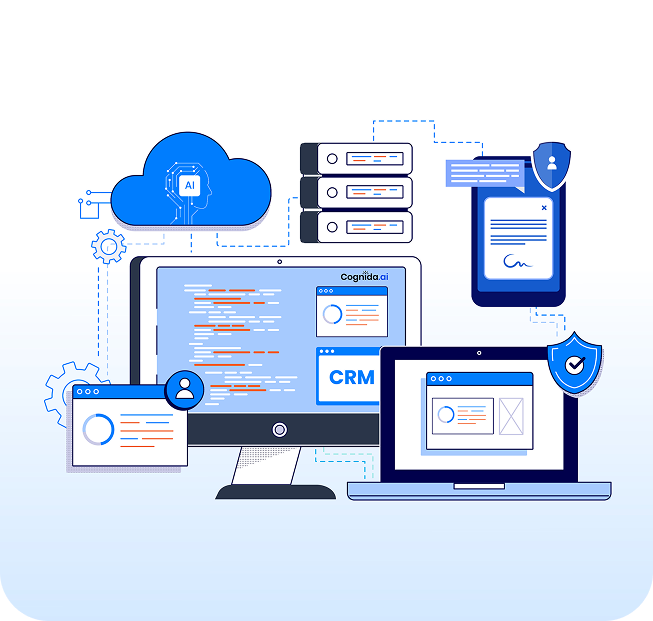
Asset management does not operate in isolation. AI technologies are increasingly integrating asset monitoring with other business functions to improve overall efficiency.
For example, systems such as ai powered ats and ATS AI Agent help organizations manage workforce resources effectively, ensuring that the right personnel are assigned to maintenance tasks.
Similarly, integrating AI into business processes such as ai in marketing automation helps organizations align operational performance with customer-facing activities.
The use of ai in human resource management further supports workforce planning, ensuring that asset management teams are properly staffed and trained.
These integrations create a connected ecosystem where asset performance, workforce efficiency, and business operations work together seamlessly.
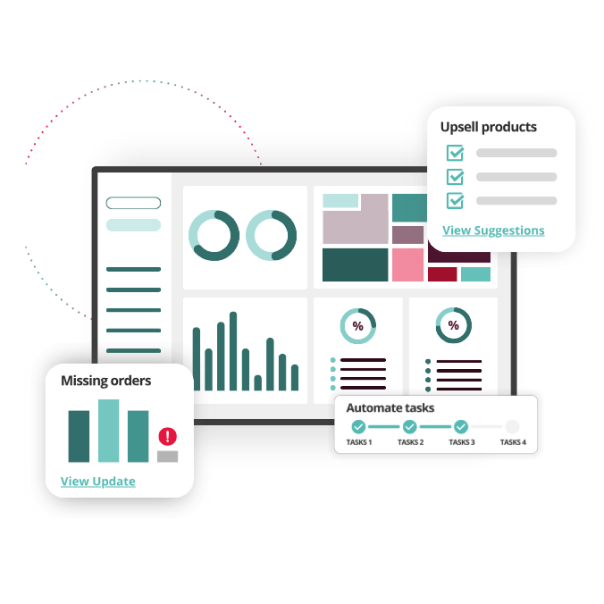
AI-powered asset management systems are being used across industries to improve operational efficiency and reduce costs.
The evolution of artificial intelligence is driving new innovations in asset management systems. Organizations are adopting advanced technologies to improve monitoring capabilities and decision-making processes.
Key trends include:
To maximize the value of AI agents, organizations should adopt a structured implementation approach.
Best practices include:
Asset management AI agents are transforming how organizations monitor equipment and optimize operational efficiency. By enabling predictive maintenance, automated workflows, and real-time monitoring, AI systems help businesses reduce downtime and improve asset performance.
The adoption of intelligent asset management technologies allows organizations to move beyond traditional maintenance approaches and embrace data-driven operational strategies.
Businesses looking to implement advanced AI-powered asset management solutions can explore innovative platforms developed by Kivo.ai. Contact us today to discover how AI agents can help improve equipment monitoring, enhance efficiency, and support smarter business operations.
Asset management AI agents are intelligent systems that monitor and optimize the performance of equipment and assets.
AI agents analyze real-time data to detect anomalies and predict equipment failures before they occur.
AI agents connect real-time asset data with maintenance workflows to monitor performance and automate operations efficiently.
Yes. AI reduces downtime, improves efficiency, and optimizes resource utilization.
AI improves workforce planning, ensuring the right talent is assigned to asset management tasks.
.svg)